Smart Temperature Defense Strategies for Your Long-Term Storage
Smart Temperature Defense Strategies for Your Long-Term Storage
Middletown Self Storage
November 3rd, 2026
Finding Climate-Controlled Storage That Fits Your Needs
Finding the right climate-controlled storage unit begins with confirming that the specific unit you choose offers active temperature control and humidity management. Evaluate its size, access hours, security features, and rental terms before reserving your space.
Climate control matters most for items such as wood furniture, electronics, photos, and records that are vulnerable to severe seasonal temperature swings and persistent ambient moisture.
Even if you first came across this guide while searching for climate controlled self storage units near Texas, the same core principles apply here in Rhode Island, and if you are comparing climate-controlled self storage units across Rhode Island, these are the factors that matter most.
The Science of Climate Defense: Temperature and Humidity Regulation
When items sit in storage for months or years, the air surrounding them dictates how well they survive. Standard storage units simply provide shelter from the rain and wind, functioning much like an outdoor shed or uninsulated garage.
True climate-controlled storage relies on dedicated heating, ventilation, and air conditioning (HVAC) systems running continuous cycles to create a stable indoor microclimate. The standard operational range for professional climate-controlled units remains between 55°F and 85°F year-round.
This band prevents extreme thermal swings that cause organic and synthetic materials to expand and contract repeatedly. The National Park Service's museum conservation guidelines similarly recommend stable temperature and relative humidity ranges to protect paper, photographs, and other organic materials from long-term deterioration.
However, temperature is only half the battle. Relative humidity plays an equally critical role. High moisture levels in the air foster microbial life, leading directly to mildew, dry rot, and rust on metal surfaces.
Regulating ambient moisture allows for a humidity-free storage unit that stops condensation from gathering on cool surfaces when exterior weather shifts abruptly.
Environmental Thresholds for Long-Term Preservation
Different materials break down under specific environmental stresses:
- Wood and Timber: Solid wood breathes, absorbing and releasing moisture. Rapid humidity fluctuations cause the grain to swell and shrink, leading to warping, joint separation, and finish cracking.
- Electronics and Appliances: Circuit boards and internal solder points corrode when exposed to ambient moisture. Extreme heat can also degrade internal capacitors and warp plastic housings.
- Leather and Textiles: Excess humidity breeds mold spores deep within natural leather fibers, while severe heat leaches the natural oils away, causing brittleness and surface flaking. You can prevent this decay and keep your belongings from sweating in storage during hot, muggy seasons.
- Paper and Adhesives: Archival documents, stamp collections, and book bindings disintegrate when moisture softens organic glues and yellows delicate paper fibers.
In non-regulated metal or drive-up units, ambient temperatures can easily soar past 130°F during high-heat months. At these temperatures, vinyl records warp into unplayable shapes, candle wax liquefies, photograph emulsions stick together permanently, and vintage adhesives fail completely.
Why Delicate Valuables Require Climate-Controlled Self Storage in Middletown
Certain belongings should never be placed in a standard, unheated garage or outdoor shed. Delicate, high-value, and sentimental items require consistent indoor conditions:
- Fine Wood Furniture: Antiques, mahogany dining sets, and solid oak dressers maintain structural integrity when kept in stable humidity.
- Musical Instruments: Acoustic guitars, violins, cellos, and pianos contain delicate soundboards held together by tension and specialized glue, making them sensitive to humidity shifts.
- Artwork and Paintings: Stretched canvas, oil pigments, and acrylic mediums crack when subjected to cycling temperatures.
- Family Heirlooms and Photo Albums: Irreplaceable historical prints and vintage film stay preserved without the risk of yellowing or stickiness.
- Vinyl Records: Polyvinyl chloride begins warping at elevated temperatures, permanently distorting audio tracks.
- Archival Documents: Legal files, business records, and tax filings remain crisp, readable, and free of mildew odor.
Critical Household and Business Inventory Needs
It is not just rare antiques that require protection. Everyday business inventory and standard household goods frequently need climate-controlled space:
- Commercial Archives: Retaining paper client records for compliance requires a clean, moisture-controlled room.
- Retail and E-Commerce Inventory: Clothing lines, packaged goods, and cosmetics can spoil, fade, or take on stale odors in uncontrolled spaces.
- Home Electronics and Appliances: High-end entertainment setups, computers, refrigerators, and washing machines stored between moves must be kept dry to preserve internal wiring.
- Upholstered Furniture: Couches, mattresses, and armchairs absorb surrounding humidity, creating an ideal habitat for dust mites and mildew if left unmanaged.
Understanding Climate-Controlled Storage Conditions
To see how standard and climate-managed facilities differ, consider the environmental protections built into each setup: Feature Non-Regulated Storage Climate-Controlled Storage
Temperature Stability Varies with exterior weather; can exceed 130°F or drop below freezing Maintained consistently between 55°F and 85°F year-round
Humidity Management None; matches outside ambient air and rain cycles Actively regulated to help prevent mold and condensation
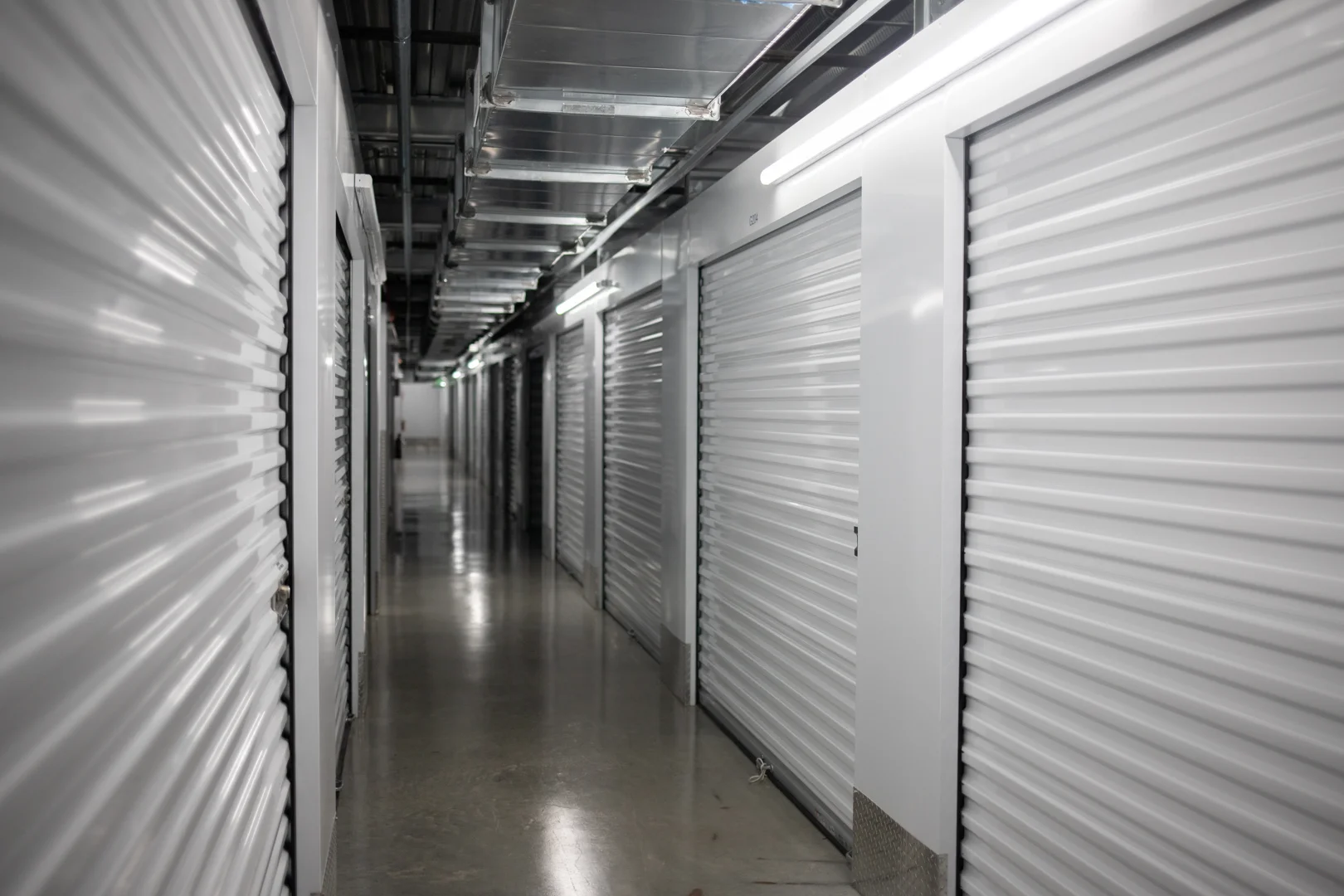
Insulation & Enclosure Minimal; exterior-facing roll-up doors exposed to elements Fully enclosed indoor hallways with commercial-grade insulation
Item Protection Basic protection from direct wind and precipitation Comprehensive protection against moisture, pests, and thermal shock
Dust & Air Quality Susceptible to outdoor dirt, pollen, and drafts Interior airflow filtration minimizes settling dust and grime
Enclosing units within interior corridors prevents sudden weather changes from directly affecting your unit's walls, providing a reliable environment for long-term storage. When evaluating storage facilities across coastal New England, these environmental protections are the key differentiators to prioritize.
Facility Infrastructure, Sizing, and Security Standards
A high-performing storage facility combines active environmental management with dependable physical security. Interior units located within fully enclosed buildings offer an extra physical barrier against outdoor weather and unauthorized access.
When evaluating facility infrastructure, look for robust access controls such as secure access points, 24/7 video recording, and bright interior corridor lighting. Our team provides services tailored to keeping your items secure, clean, and organized from move-in to move-out.
Selecting the Right Size in Climate-Controlled Self Storage
Choosing the proper unit size ensures you only pay for the space you need while maintaining adequate airflow around your goods:
- Small Spaces (5x5 to 5x10): Ideal for personal archives, seasonal gear, musical instruments, business documents, and several moving boxes. A 5x5 functions like a walk-in closet, while a 5x10 can hold the contents of a single bedroom.
- Medium Spaces (10x10 to 10x15): Great for multi-room apartments or partial home renovations. A 10x10 holds furniture sets, major appliances, mattresses, and dozens of packed totes.
- Large Spaces (10x20 to 10x30): Designed for full multi-bedroom homes, large commercial inventories, or contractor equipment. A 10x20 accommodates large dining sets, living room sectionals, bedroom furniture, and numerous large boxes.
Always take advantage of full vertical ceiling height by stacking uniformly sized boxes and using freestanding shelving units to maximize usable space.
Rental Flexibility and Facility Amenities
Storage needs often change unexpectedly due to moving timelines, home renovations, or business shifts. Look for facilities offering flexible month-to-month leases so you are never locked into an unwanted long-term contract.
Customer convenience amenities also streamline moving day. Ground-level units eliminate the need to navigate heavy furniture through freight elevators, while wide hallways and on-site hand trucks or dollies make transporting heavy boxes straightforward and efficient.
Packing and Preparation Techniques for Long-Term Preservation
Even within a climate-controlled unit, careful packing practices provide vital protection for your belongings. We recommend following these practical preparation steps:
- Clean and Dry Everything Thoroughly: Never pack damp clothing, wet camping gear, or uncleaned kitchen appliances. Trapped organic matter or residual moisture inside sealed containers can create mold issues on its own.
- Use Uniform, Heavy-Duty Boxes or Totes: Stack sturdy, breathable cardboard boxes or airtight plastic bins. Heavy boxes belong on the bottom, with lighter items on top.
- Opt for Breathable Furniture Covers: Cover sofas, armchairs, and mattresses with breathable canvas drop cloths or moving blankets rather than solid plastic wrap, which can trap ambient moisture against fabric.
- Incorporate Silica Gel Desiccant Packs: Place desiccant packs inside sealed plastic totes holding documents, camera equipment, or electronics to absorb any micro-moisture trapped during packing.
- Elevate Items on Pallets or Shelving: Keep items an inch or two off the concrete slab using wooden pallets or modular wire shelving to maintain 360-degree airflow around your containers.
- Create an Aisle for Ventilation and Access: Leave a walkway down the center of your unit. This makes items easy to reach and allows regulated air to circulate freely around every box.
For a deeper look into selecting and preparing your unit, consult our ultimate guide to storage units in Middletown, RI to ensure every box is properly secured. Protecting your valued belongings from seasonal shifts, humidity, and temperature spikes requires a reliable defense strategy.
Investing in dedicated climate-controlled storage helps preserve the condition, function, and value of your furniture, electronics, and keepsakes over the long haul.
At Middletown Self Storage, we provide clean, secure, and easily accessible self storage solutions right here on Aquidneck Island.
Whether you need space during a home renovation, an estate transition, or business expansion, our ground-level indoor units at our Valley Road and Aquidneck Ave locations in Middletown, Rhode Island, offer dependable protection for your belongings. Stop by or contact our local team today to find the right unit for your storage needs.