Smart Temperature Defense Strategies for Your Long-Term Storage


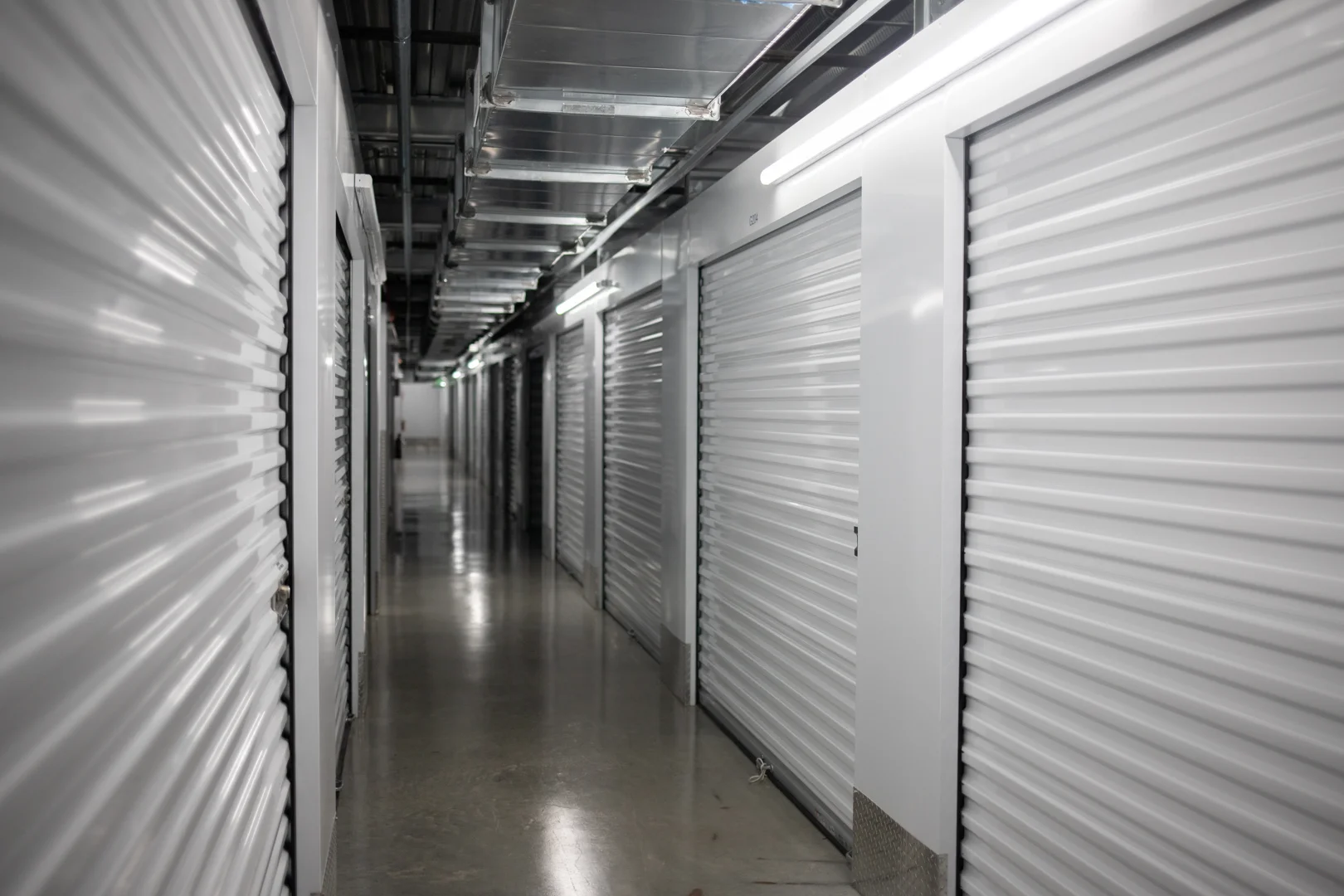
climate controlled self storage hallway

Finding Climate-Controlled Storage That Fits Your Needs Finding the right climate-controlled storage unit begins with confirming that the specific unit you choose offers active temperature control and humidity management. Evaluate its size, access hours, security features, and rental terms before reserving your space. Climate control matters most for items such as wood furniture, electronics, photos, and records that are vulnerable to severe seasonal temperature swings and persistent ambient moisture. Even if you first came across this guide while searching for climate controlled self storage units near Texas, the same core principles apply here in Rhode Island, and if you are comparing climate-controlled self storage units across Rhode Island, these are the factors that matter most. The Science of Climate Defense: Temperature and Humidity Regulation When items sit in storage for months or years, the air surrounding them dictates how well they survive. Standard storage units simply provide shelter from the rain and wind, functioning much like an outdoor shed or uninsulated garage. True climate-controlled storage relies on dedicated heating, ventilation, and air conditioning (HVAC) systems running continuous cycles to create a stable indoor microclimate. The standard operational range for professional climate-controlled units remains between 55°F and 85°F year-round. This band prevents extreme thermal swings that cause organic and synthetic materials to expand and contract repeatedly. The National Park Service's museum conservation guidelines similarly recommend stable temperature and relative humidity ranges to protect paper, photographs, and other organic materials from long-term deterioration. However, temperature is only half the battle. Relative humidity plays an equally critical role. High moisture levels in the air foster microbial life, leading directly to mildew, dry rot, and rust on metal surfaces. Regulating ambient moisture allows for a humidity-free storage unit that stops condensation from gathering on cool surfaces when exterior weather shifts abruptly. Environmental Thresholds for Long-Term Preservation Different materials break down under specific environmental stresses: Wood and Timber: Solid wood breathes, absorbing and releasing moisture. Rapid humidity fluctuations cause the grain to swell and shrink, leading to warping, joint ...


Middletown Self Storage
November 3rd, 2026


Master the Art of Packing Clothes for Your Next Big Move


Wardrobe boxes with metal hanging bars

The Best Way to Pack Clothes for Moving: Top Methods Compared The best way to pack clothes for moving is to match the method to the garment: use wardrobe boxes for hanging items like suits and dresses, roll casual knits and denim to save space, and vacuum-seal bulky seasonal gear. This approach minimizes wrinkles, prevents damage, and keeps boxes light enough to carry safely. Moving your wardrobe can feel surprisingly overwhelming. While clothes are soft, they are deceptively heavy and prone to wrinkling, snagging, or moisture damage if treated like an afterthought. Choosing the best way to pack clothes for moving depends heavily on fabric type, move distance, and how much time you want to spend with an iron at your new home. Taking time to systematically sort your closet before folding or boxing anything makes the entire transition smoother. Categorize your garments by season, function, and delicate nature so you can choose the optimal packing container for each category. Before packing, gathering essential packing supplies for clothing such as specialty boxes, packing paper, and stretch wrap will protect your fabrics from dirt and friction. Packing Method Best Suited For Speed to Pack / Unpack Wrinkle Protection Space Efficiency Wardrobe Boxes Suits, dresses, formalwear, coats Fastest Highest Low (bulky footprint) Rolling Method T-shirts, jeans, synthetic knits, casual wear Moderate High (if rolled smoothly) High (saves up to 30% space) Flat / Vertical Fold Collared shirts, sweaters, structured items Moderate Moderate (requires layering) Moderate Dresser Drawers Socks, underwear, lightweight loungewear Fastest Moderate Maximum (no box needed) Vacuum Storage Bags Puffer jackets, winter bedding, fleece Fast Low (can cause deep creases) Maximum (compresses up to 80%) Folding vs. Rolling: Space-Saving Techniques Deciding between folding and rolling comes down to fabric structure. Rolling works wonderfully for casual knits, t-shirts, workout clothes, and denim. The military-inspired Ranger Roll involves folding the bottom edge of a shirt inside out ...


Middletown Self Storage
November 3rd, 2026

An Essential Guide to 10 by 20 Storage Units

Press


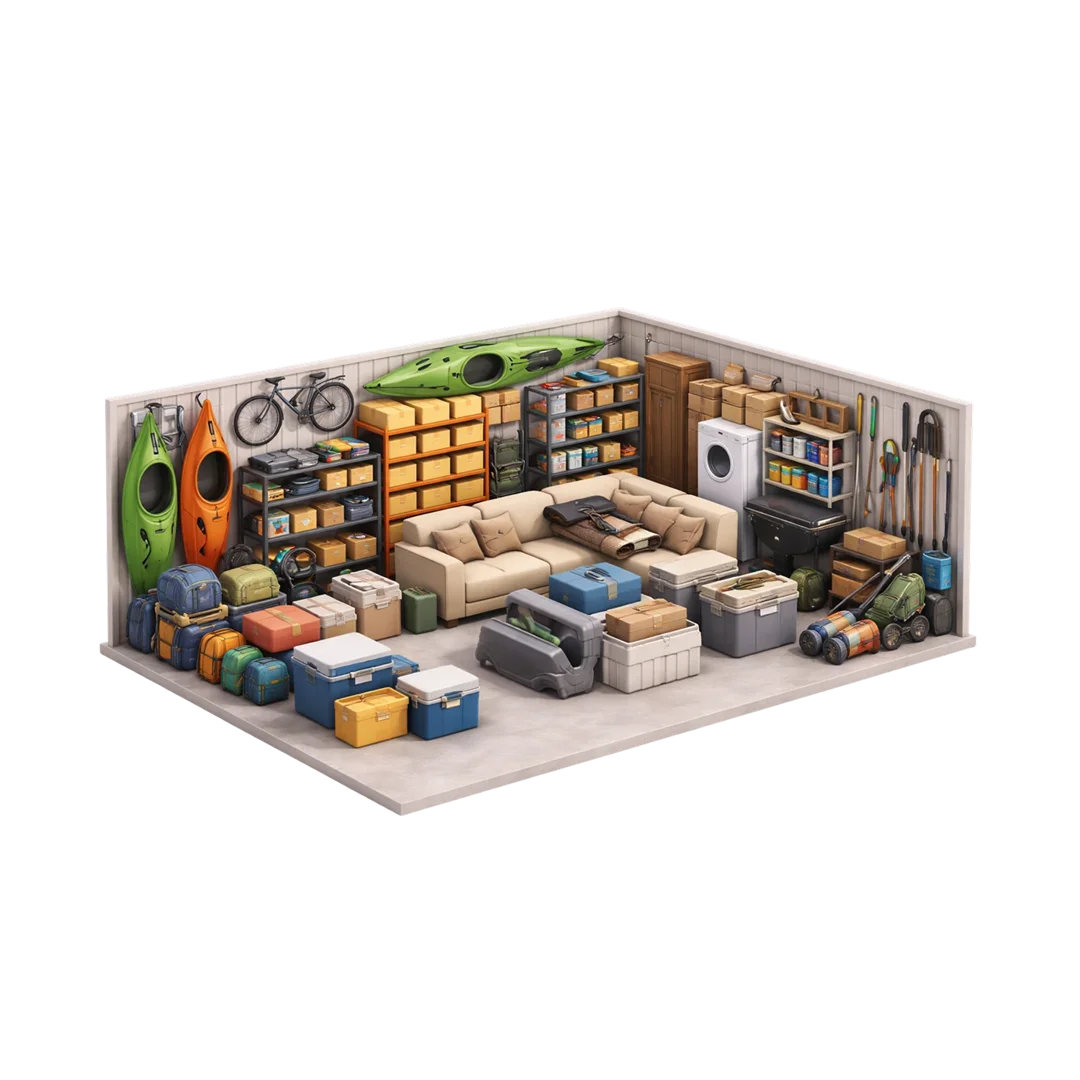
What Is a 10 by 20 Storage Unit, and Is It Right for You? A 10 by 20 storage unit is one of the largest standard storage sizes available, offering 200 square feet of floor space - roughly the same footprint as a standard one-car garage. It's a versatile size that works for major life transitions — whether you're moving between homes, storing belongings during a renovation, or need a secure home for business inventory. Understanding the Dimensions of a 10 by 20 Storage Unit When you are standing inside an empty 10 by 20 storage unit, the first thing you’ll notice is how much it feels like a standard one-car garage. It measures 10 feet wide by 20 feet long, giving you a total of 200 square feet of floor space. But in the storage world, we don't just think about floor space; we think about volume. Most of our units at Middletown Self Storage feature an 8-foot ceiling height, which provides approximately 1,600 cubic feet of total storage volume. If you’ve previously looked into smaller options, you might find our article on How Big Is a 10 x 10 Storage Unit Anyway helpful for comparison. Essentially, the 10x20 is exactly double that size. To help you visualize the scale of the large units we offer at our Valley Road and Aquidneck Ave locations, take a look at the table below: Unit Size Square Footage Cubic Volume (8' Ceiling) Typical Comparison 10 x 10 100 sq. ft. 800 cu. ft. Large Bedroom 10 x 15 150 sq. ft. 1,200 cu. ft. Large Spare Room 10 x 20 200 sq. ft. 1,600 cu. ft. Standard One-Car Garage 10 x 30 300 sq. ft. 2,400 cu. ft. Extra Long Garage / Small Warehouse This 200-square-foot layout is a long, rectangular space. This shape is actually quite beneficial because it allows you to create a "walkway" down the ...


Middletown Self Storage
August 27th, 2026


The Ultimate Guide to 10x30 Storage Units

Press


The Complete Guide to Renting a 10 by 30 Storage Unit A 10 by 30 storage unit is the largest standard unit size offered at most self-storage facilities, and for good reason. It packs a serious amount of space into one convenient rental. Quick facts about a 10x30 storage unit: Feature Details Dimensions 10 ft wide × 30 ft long × 8 ft tall Floor space 300 square feet Total volume 2,400 cubic feet Comparable to A 1.5-car garage Fits Contents of a 4–5 bedroom home Box capacity Up to 400 medium boxes Best for Full home moves, vehicle storage, business inventory Whether you're moving between homes, clearing out after a renovation, or need extra warehouse space for your business, this unit size handles it all. It's big enough to hold multiple rooms of furniture, large appliances, and even a car or small boat, all in one place. But it's also easy to underestimate just how much planning goes into using that space well. This guide breaks it all down: what fits, what doesn't, how to pack it efficiently, and how to find the right unit for your needs. What is a 10 by 30 Storage Unit? When you first stand inside an empty 10 by 30 storage unit, it can feel a bit like standing inside a long, deep tunnel. Measuring exactly 10 feet wide by 30 feet deep, this unit offers a massive 300 square feet of floor space. With standard 8-foot ceilings, you are looking at 2,400 cubic feet of total storage volume. Some premium units even feature 10-foot ceilings, which bumps your usable vertical space up to an incredible 3,000 cubic feet. To help you visualize it, this footprint is roughly equivalent to a standard 1.5-car garage or a very large master bedroom combined with a walk-in closet. It is a long, rectangular space that gives ...


Middletown Self Storage
August 27th, 2026


The Fragile Item Survival Guide: Using Bubble Wrap and Cushioning Like a Pro

Press


Why Packing for Fragile Items the Right Way Saves You From a Painful Surprise Packing for fragile items correctly is the single most important thing you can do to make sure your breakables arrive in one piece. Here's a quick overview of the key steps: Choose the right box - Use a sturdy, double-walled box sized 10-25% larger than your item Cushion the bottom - Add a layer of bubble wrap or packing paper before placing anything inside Wrap each item individually - Use bubble wrap (bubbles facing in) Fill every gap - Use foam peanuts, crumpled paper, or soft items like towels so nothing shifts Place heavy items at the bottom - Stack lightest items on top Seal and label clearly - Use strong packing tape and mark the box "FRAGILE" and "THIS SIDE UP" on multiple sides Do the shake test - Gently shake the sealed box; if anything moves, add more cushioning There's nothing worse than opening a box after a move and finding your grandmother's vase in pieces — or unwrapping a beloved piece of art to discover a crack right down the middle. It happens more often than most people expect, and almost always because of one thing: inadequate packing. The good news? Protecting your breakables doesn't require special skills. It just requires the right materials and a few proven techniques — which is exactly what this guide covers. Essential Materials for Packing for Fragile Items Before you wrap a single glass, you need a toolkit that can handle the pressure. Think of these materials as your item's personal security detail. If you skimp here, you’re essentially asking for trouble. At our Middletown, RI locations on Aquidneck Ave and Valley Rd, we always tell folks that "good enough" isn't good enough when it comes to heirlooms. Double-Walled Boxes: These are the heavy hitters of the moving world. A standard box is fine for clothes, but for packing for fragile items, you want the extra layer of corrugated cardboard. A double-walled box can often support up to 80 ...


Middletown Self Storage
August 27th, 2026


An Essential Guide to Fall Storage Prep for Winter

Press


Fall storage prep autumn leaves boxes home organization seasonal transition

Why Fall Storage Prep Can't Wait Until the Last Minute Fall storage prep is the process of cleaning, packing, and storing summer items — like patio furniture, lawn equipment, and seasonal clothing — before cold weather arrives and causes damage. Here's a quick overview of what fall storage prep involves: Identify what needs to come inside or go into storage (outdoor furniture, pool gear, garden tools, summer clothing) Clean and dry every item thoroughly before packing to prevent mold, mildew, and rust Pack smart using sturdy plastic bins, breathable bags, and clear labels Choose the right storage — climate-controlled units for sensitive items, standard units for tools and furniture Protect your unit from pests and moisture using absorbers and sealed containers Start early — August or early September is ideal, well before the first frost hits Most people wait too long. The first cold snap arrives, the patio cushions are still outside, and suddenly a scramble turns into real damage. Metal rusts. Fabric molds. Wood warps. According to home maintenance experts, deferred seasonal maintenance is the single largest driver of emergency repair costs over a homeowner's lifetime, and fall prep is where that cost is most preventable. If you live on Aquidneck Island, the stakes are even higher. Rhode Island's coastal humidity and unpredictable autumn weather create conditions that can destroy stored belongings faster than in drier inland climates. Getting ahead of the season isn't just good organization, it's smart protection for things you've invested in. Why Fall Storage Prep is Essential for Homeowners When the calendar rolls over to late summer and early autumn, it is easy to get caught up in the back-to-school rush and the beauty of changing leaves. However, this transition window is the absolute best time to protect your home and belongings. Proactive preparation acts as an insurance policy against Rhode Island's harsh, damp winter elements. From a financial standpoint, taking care of seasonal transitions yields an incredibly high return on investment. According to the U.S. Department of Energy, simple tasks like air sealing ...


Middletown Self Storage
August 24th, 2026


The Ultimate Guide to Affordable Student Storage for Back to School

Press


Why Student Storage Matters When Back to School Season Hits Student storage for back to school season is one of the most stressful logistical challenges college students and their families face every year. Whether you're moving out of a dorm at the end of spring semester or getting ready for fall move-in, figuring out what to do with all your stuff, and fast, is rarely simple! For students at schools like Salve Regina University or Roger Williams University, a local self-storage solution can be one of the most practical and affordable choices available - keeping your belongings close, accessible, and secure all summer long. The real cost of moving isn't always obvious upfront. When you factor in packing supplies, truck rentals, and parent travel (flights, hotels, meals, and time off work), a DIY move can easily run far higher than most families expect. One industry estimate puts the total cost of a fully DIY student move at over $3,600. That's a number worth thinking about before you assume "doing it yourself" is the cheaper option. Comparing Your Options for Student Storage/Back to School When the academic year winds down, the mad scramble to empty dorm rooms begins. Students are faced with a fundamental question: what is the best way to handle all these belongings until the fall semester starts? Navigating the landscape of Student Storage/Back to School options requires understanding the distinct pathways available. For students staying or studying in Rhode Island, choosing a local Self Storage facility provides a reliable anchor. It eliminates the risk of transit delays or lost shipments associated with mail-in programs, while offering far greater flexibility than valet services that only operate on specific, crowded campus move-out dates. The Benefits of Traditional Self-Storage for College Students Choosing a traditional self-storage unit offers several distinct advantages that specialized student moving packages simply cannot match. The most significant benefit is unmatched flexibility. With your own unit, you can access your belongings whenever you want. If your plans change, or if you need ...


Middletown Self Storage
August 21st, 2026


Finding a Secure Storage Facility Without Breaking the Bank

Press


storage unit sizes

What You Need to Know About Storage Unit Sizes Storage unit sizes range from small lockers to large 10x30 units. Choosing the wrong storage unit size is a surprisingly common and costly mistake. Rent too small and your belongings won't fit. Rent too large and you're paying for empty space every month. The good news? Matching your needs to the right size is straightforward once you know what each unit can actually hold. This guide breaks down every standard size — from compact lockers to large vehicle-ready units — so you can make a confident decision without overspending. Comparing Common storage unit sizes When you begin your search for the perfect space in Middletown or Newport, the sheer variety of storage unit sizes can feel overwhelming. At Middletown Self Storage, we believe that understanding the dimensions in both square footage and cubic feet is the secret to successful packing. While square footage tells you how much floor space you have, cubic feet (the height of the unit) allows you to stack items to the ceiling—usually 8 to 10 feet high—maximizing every penny of your rental. Whether you are looking to clear out a spare room or are preparing for a major move across Rhode Island, we offer a range of storage services designed to keep your items secure and accessible. Small storage unit sizes for Seasonal Gear The smallest options are often the most underrated. If you only have a few suitcases, a set of golf clubs, or several bins of holiday decorations, a "Small" category unit is likely your best bet. The Storage Locker: Typically measuring around 5x4, these are "stacked" units. They offer about 80 cubic feet of space. This is perfect for students at local colleges or residents needing a place for winter coats and luggage. The 5x5 Unit: Offering 25 square feet and approximately 200 cubic feet of space, it is the equivalent of a large hallway closet. What actually fits in a 5x5? You can comfortably fit a twin-sized mattress, a small ...


Middletown Self Storage
June 30th, 2026


7 of the Best Websites for Secure Storage Units

Press


modern storage facility with security features - secure storage units

Why Secure Storage Units Matter More Than You Think Secure storage units protect your belongings through multiple layers of security technology and active monitoring. The best facilities combine 24/7 video surveillance, individual unit locks, on-site personnel, and quality lighting to keep your items safe from theft, damage, and environmental threats. Key security features to prioritize when choosing a storage facility: 24/7 video surveillance with cameras covering all entry points and hallways On-site staff or resident managers who monitor the property regularly Quality lighting throughout the facility, especially in parking areas Climate control to protect against humidity, mold, and pests Strong locks like disc locks or cylinder locks (not standard padlocks) The research is clear: modern self-storage facilities use multiple security layers to protect renters' belongings. Security cameras can save footage from 7 to 90 days, helping staff locate thieves if a break-in occurs. Indoor facilities offer more security than outdoor ones through better lighting, extra access control layers, and reduced visibility to outside observers. But here's what most people don't realize: facility security is only part of the equation. You also need to choose the right lock, document your inventory thoroughly, pack strategically, and verify the facility's security reputation before signing a lease. Whether you're storing furniture during a move, protecting business inventory, or safeguarding items sensitive to humidity, understanding storage security helps you make smarter decisions and avoid costly mistakes. Top Online Resources for Secure Storage Units When you are looking for a place to keep your grandmother’s antique dresser or your expensive mountain bike, you shouldn't just pick the first place you see on the side of the road. We live in a digital age, and that means we have incredible tools at our fingertips to vet facilities before we ever load a moving truck. Finding secure storage units requires looking beyond the price tag. You want to look for a facility’s digital footprint—do they show photos of their cameras? Do they explain their gate or security system? Do they have a reputation for transparency? To help ...


Middletown Self Storage
June 30th, 2026


The Secret to Keeping Antiques Safe in Storage


interior of a modern climate controlled storage facility with clean hallways - antiques humidity controlled storage

The Benefits of Antiques Humidity Controlled Storage When we talk about antiques humidity controlled storage, we are referring to a specialized environment designed to mimic the conditions of a well-maintained home or a museum gallery. Unlike traditional storage, which is essentially a garage with a sturdier door, climate-controlled units are located inside a finished building with insulated walls and sophisticated HVAC systems. This is particularly important for residents of Aquidneck Island, where the proximity to the Atlantic Ocean creates a unique set of environmental challenges for delicate heirlooms. In Rhode Island, our coastal climate brings beautiful summers and snowy winters, but it also brings massive swings in humidity. A traditional unit might be 40°F in January and 90°F in August. For an antique chair, that’s like being in a giant vise that tightens and loosens every six months. The salt-heavy air of Newport and Portsmouth can also accelerate the degradation of materials if not properly filtered and managed within a sealed environment. Climate-Controlled vs. Traditional Storage: A Comparison One of the biggest advantages we offer at our Middletown locations is the indoor, sealed nature of these units. By keeping the units inside, we significantly reduce the amount of dust that settles on your treasures. Dust isn't just an eyesore; it’s abrasive. Over time, fine particles can settle into the grain of wood or the fibers of a painting, leading to micro-scratches and dull finishes. Furthermore, the lack of direct outdoor access means that the temperature and humidity levels remain far more consistent, even when the Rhode Island weather is at its most volatile. If you aren't sure if your items require this level of protection, you can learn more about How to Choose a Humidity-Free Storage Unit to ensure you're making the right investment for your collection. Our facilities on Aquidneck Ave and Valley Rd in Middletown are specifically engineered to provide this high level of environmental stability. Why Antiques Are Vulnerable to Environmental Fluctuations To understand why antiques humidity controlled storage is necessary, we ...


Middletown Self Storage
June 30th, 2026


Items per page
10
1 - 10 of 19 posts