
The Secret to Keeping Antiques Safe in Storage
The Secret to Keeping Antiques Safe in Storage
Middletown Self Storage
June 30th, 2026
The Benefits of Antiques Humidity Controlled Storage
When we talk about antiques humidity controlled storage, we are referring to a specialized environment designed to mimic the conditions of a well-maintained home or a museum gallery. Unlike traditional storage, which is essentially a garage with a sturdier door, climate-controlled units are located inside a finished building with insulated walls and sophisticated HVAC systems.
This is particularly important for residents of Aquidneck Island, where the proximity to the Atlantic Ocean creates a unique set of environmental challenges for delicate heirlooms. In Rhode Island, our coastal climate brings beautiful summers and snowy winters, but it also brings massive swings in humidity.
A traditional unit might be 40°F in January and 90°F in August. For an antique chair, that’s like being in a giant vise that tightens and loosens every six months. The salt-heavy air of Newport and Portsmouth can also accelerate the degradation of materials if not properly filtered and managed within a sealed environment.
Climate-Controlled vs. Traditional Storage: A Comparison
One of the biggest advantages we offer at our Middletown locations is the indoor, sealed nature of these units. By keeping the units inside, we significantly reduce the amount of dust that settles on your treasures. Dust isn't just an eyesore; it’s abrasive.
Over time, fine particles can settle into the grain of wood or the fibers of a painting, leading to micro-scratches and dull finishes. Furthermore, the lack of direct outdoor access means that the temperature and humidity levels remain far more consistent, even when the Rhode Island weather is at its most volatile.
If you aren't sure if your items require this level of protection, you can learn more about How to Choose a Humidity-Free Storage Unit to ensure you're making the right investment for your collection. Our facilities on Aquidneck Ave and Valley Rd in Middletown are specifically engineered to provide this high level of environmental stability.
Why Antiques Are Vulnerable to Environmental Fluctuations
To understand why antiques humidity controlled storage is necessary, we have to look at the "behavior" of natural materials. Antiques were often crafted before the era of synthetic glues and stabilized materials.
They rely on natural resins, animal-hide glues, and solid hardwoods that are inherently hygroscopic—meaning they naturally absorb and release moisture from the surrounding air.
When humidity rises, wood absorbs moisture and expands. When the air dries out, the wood releases that moisture and shrinks. This constant "breathing" is what leads to the most common types of damage:
- Joint Loosening: As wood expands and contracts, the glue bonds at the joints (like those on a table leg or a chair back) begin to fail. Animal-hide glues are particularly susceptible to becoming brittle and snapping under the pressure of wood movement.
- Mold and Mildew: High humidity (anything over 60%) is an invitation for mold. It loves the organic fibers in antique upholstery, silk linings, and the paper backing of old photographs. Once mold takes root in an antique textile, it can be nearly impossible to remove without damaging the original fibers.
- Oxidation: Metals like brass, copper, and iron—common in antique hardware—corrode much faster in humid air. This can lead to "pitting" on the surface of the metal, which permanently alters the patina and value of the piece.
- UV Light Damage: While not strictly a humidity issue, many traditional units have windows or gaps that let in sunlight. UV rays are notorious for "sun-bleaching" wood finishes and making old fabrics brittle. Our indoor units eliminate this risk entirely.
We always tell our customers: Don't Let Your Stuff Sweat in Storage. If a unit feels muggy to you, it feels like a swamp to your 19th-century mahogany desk. The goal is to maintain an Equilibrium Moisture Content (EMC) that prevents the wood from undergoing these destructive physical changes.
Why Your Collection Needs Antiques Humidity Controlled Storage
Every material has a breaking point. Here is how specific antique components react to poor storage conditions:
- Wood: Beyond warping, extreme dryness (low humidity) causes wood to lose its natural oils, leading to "checking" or deep cracks that can split a tabletop in half. This is often seen in antiques moved from humid coastal areas to dry, heated indoor environments without proper humidification.
- Leather: Antique leather on trunks or chair seats can suffer from desiccation. Without controlled humidity, the leather becomes "red rotted"—turning into a fine, rusty powder that cannot be repaired. This is a chemical breakdown of the tanning agents that is accelerated by fluctuating humidity.
- Paper and Photos: Old paper is often acidic. Heat accelerates the chemical breakdown of these acids, turning pages yellow and brittle. High humidity can cause photos to stick together, destroying the image forever. In a climate-controlled environment, the rate of chemical decay is significantly slowed.
- Fabric: Silk and wool are highly sensitive to rot. Humidity-controlled environments discourage the growth of the bacteria and fungi that cause "dry rot" in textiles, ensuring that your antique quilts and clothing remain intact for the next generation.
Preparing Your Collection for Long-Term Preservation
Proper storage starts long before you reach our facility. Preparation is the "secret sauce" of antique preservation. According to the Smithsonian Museum Conservation Institute, maintaining a stable environment is the single most important factor in preserving historic furniture and artifacts.
Cleaning and Polishing
Never store an antique dirty. Dust can attract moisture, and food residues can attract pests. Wipe down wooden furniture with a high-quality beeswax or a specialist furniture polish to provide a thin protective barrier against moisture. For metals, ensure they are dry and free of fingerprints. The oils in your skin are naturally acidic and can cause permanent spots of corrosion on polished silver or brass over time.
The "No-Plastic" Rule
This is the most common mistake we see. People wrap their furniture in thick plastic stretch wrap to "protect" it. In a non-climate-controlled environment, this traps moisture against the wood, creating a micro-greenhouse that grows mold in days. Even in a climate-controlled unit, plastic can prevent the wood from naturally adjusting to the environment. Instead, use breathable materials like old cotton bedsheets, moving blankets, or acid-free tissue paper. These materials allow for airflow while still providing a barrier against dust.
Disassembly and Organization
If a large piece of furniture can be safely disassembled (like removing the legs from a dining table), do so. This reduces the stress on the joints during transport and storage. Place all hardware—screws, pulls, and keys—into a labeled bag and tape it to a hidden part of the furniture piece so it never gets lost. For items with drawers, consider leaving them slightly ajar to ensure air circulation within the piece.
Best Practices for the Unit
- Use Pallets: Even in a clean, climate-controlled unit, we recommend keeping furniture off the floor. Using pallets or even 2x4 blocks ensures airflow underneath the item, which is a critical defense against any potential condensation.
- Vertical Storage: Store large mirrors or paintings upright, never flat. Stacking items on top of a flat painting can cause the canvas to sag or the frame to crack under the weight. Use specialized mirror boxes for added protection.
- Inventory Management: Keep a detailed list of what you've stored, including photos. This is vital for insurance purposes and helps you remember exactly what is in the back of the unit. We recommend keeping a digital copy of this inventory on a cloud service for easy access.
Ideal Temperature Levels for Antiques Humidity Controlled Storage
Consistency is more important than the exact degree. However, the industry gold standard for antiques is a temperature of 65–70°F and a relative humidity of 50%. Why 50%? It’s the "Goldilocks" zone. Much higher, and you risk mold; much lower, and wood begins to shrink and crack. By maintaining this balance, we prevent the "sweating" that occurs when warm, moist air hits a cold surface—a major cause of condensation damage in traditional units.
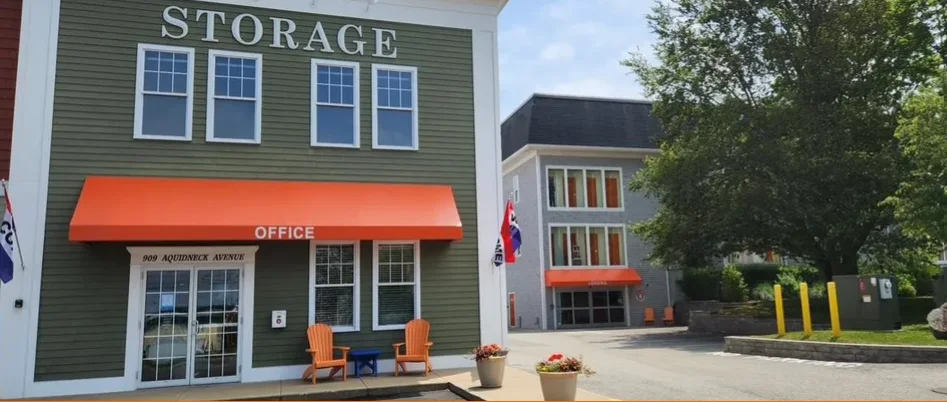
Preserving the past requires looking toward the future. Whether you are downsizing, settling an estate, or simply making room in your home, choosing antiques humidity controlled storage is an investment in your family's history. Middletown Self Storage provides specialized solutions for preserving your valuables at two convenient locations in Middletown, Rhode Island: 909 Aquidneck Ave and 101 Valley Rd.
We serve the entire Aquidneck Island area, including Newport, Portsmouth, and Jamestown. Our facilities offer the security, cleanliness, and precise climate regulation your antiques deserve.
Ready to give your heirlooms the protection they need? Explore our Self-Storage Services or stop by one of our Middletown locations to see our climate-controlled units in person. We’re here to help you keep your "priceless" items exactly that—priceless.